
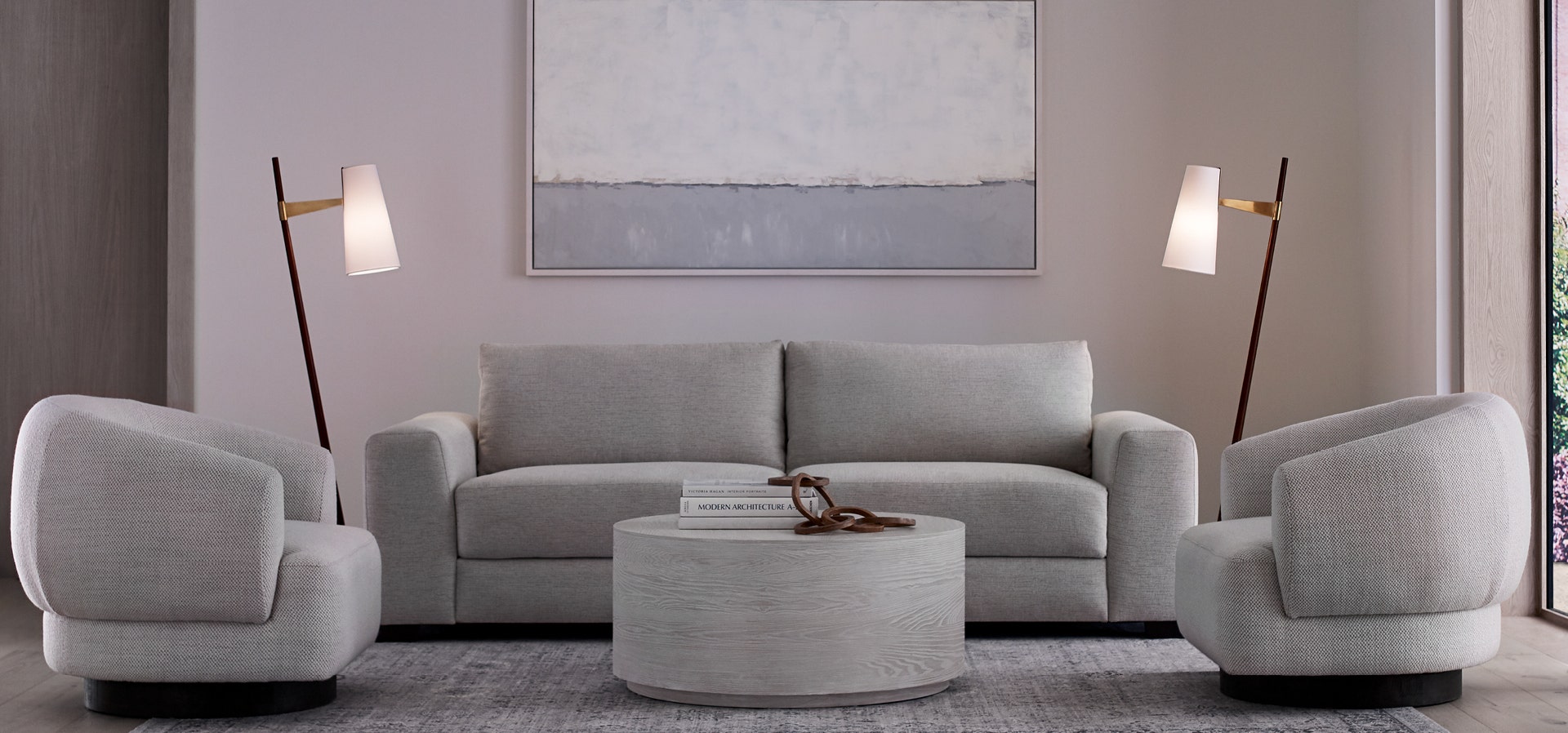
How Lighting Affects Mood
Can lighting impact our well-being for better or worse?
Who doesn’t love crunching a crisp leaf underfoot? Autumn always seems to end too soon. Like those colorful leaves, as the days get shorter, our bodies contend with light deprivation longer.
According to the U.S. Environmental Protection Agency, humanity has evolved to spend approximately 90% of life indoors. It’s no surprise that awareness of seasonal depression is increasing as illumination influences our emotions and shapes our behavior.
Even if you don’t experience emotional effects of season change, designing the lighting in your home to be healthy and visually comfortable can improve the experience of your space and your overall well-being. Explore our guidance to replicate the natural cycle of daylight and support your well-being for the season.
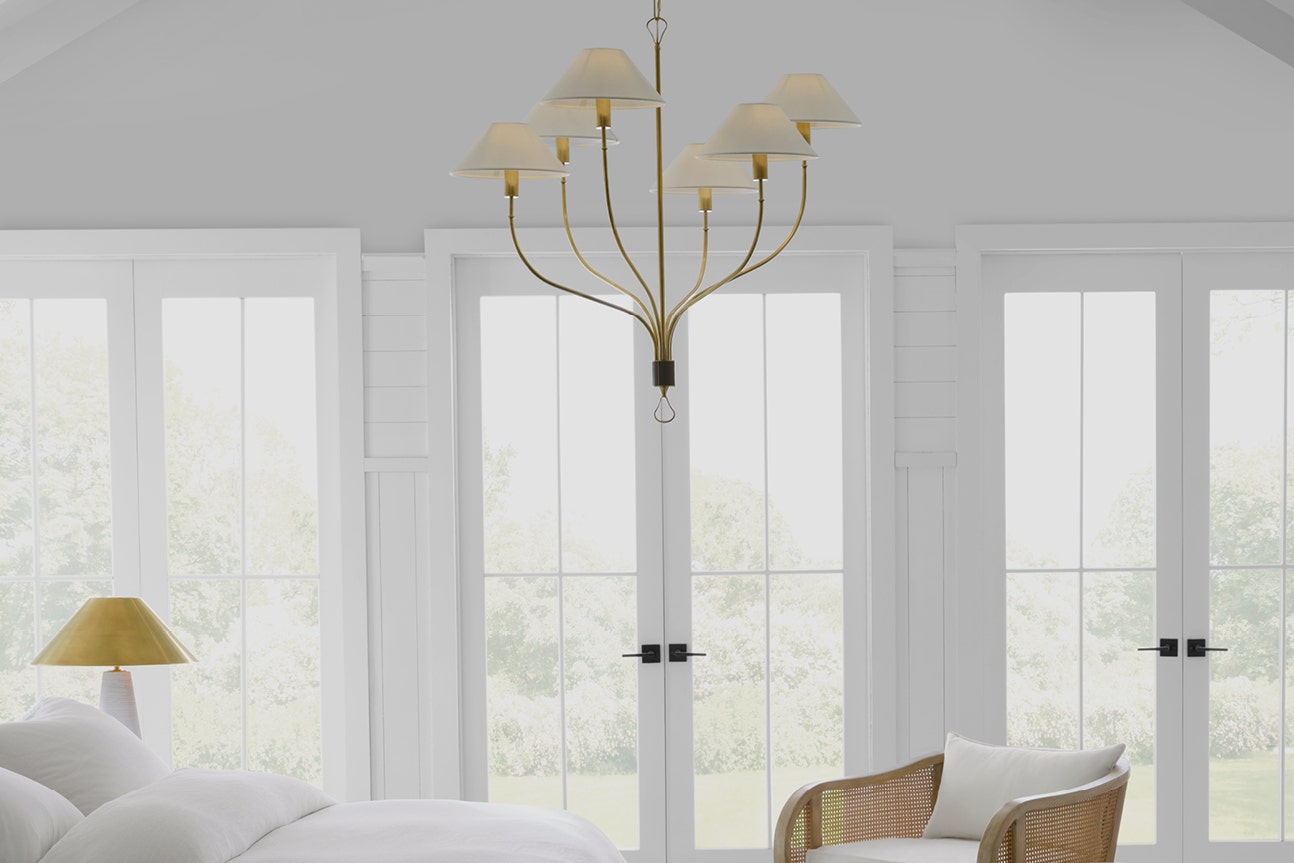
Key Elements of Well-Designed Light
-
Brightness
-
Color Temperature
-
Light Distribution
-
Natural Light
How does brightness affect energy levels?
In 2005, the American Journal of Psychiatry concluded that bright light treatment and dawn simulation were effective treatments for seasonal affective disorder comparable to most antidepressant trials.
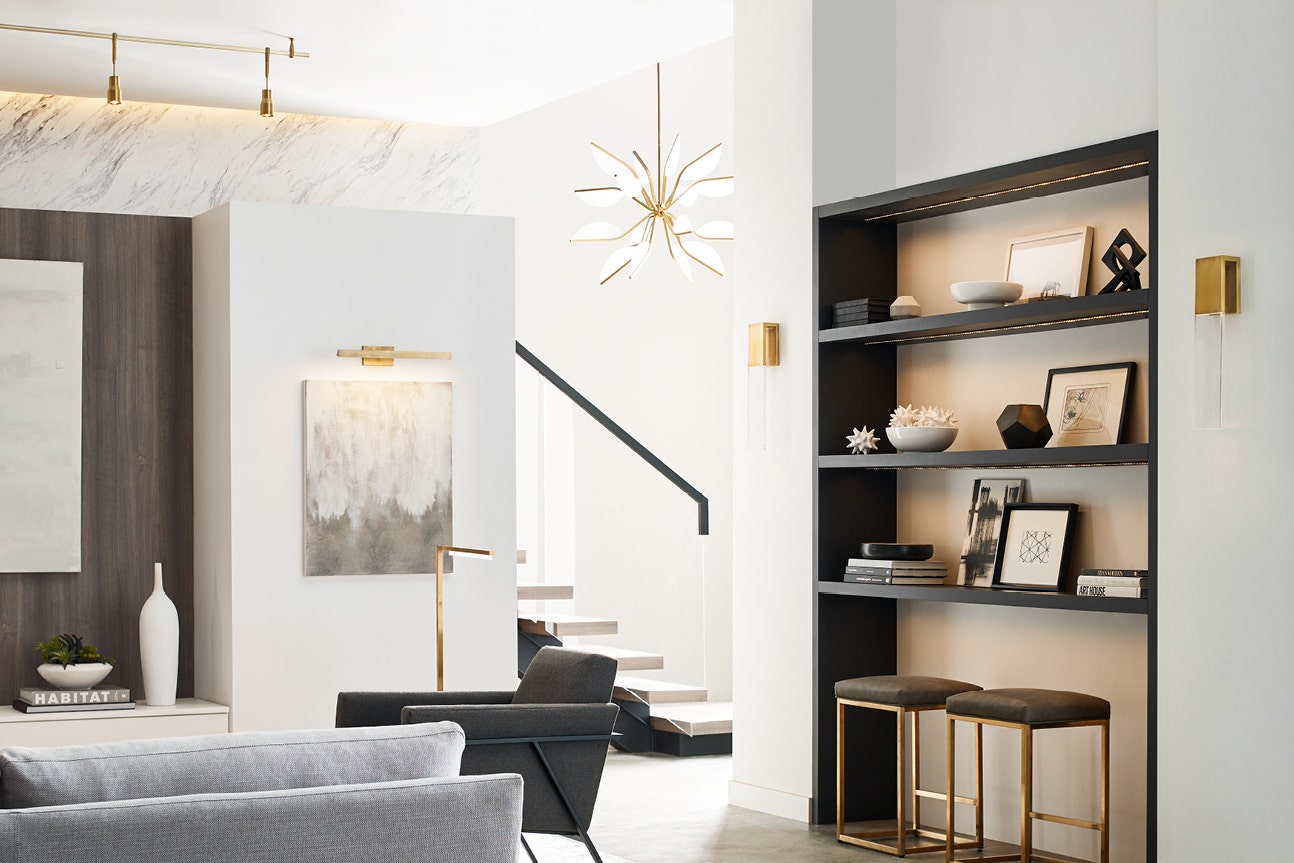
At this time of year, when the alarm clock blares, we often turn the lights on in the darkness to help the body wake. This tactic works because through the eyes bright light signals to the brain it is daytime at a cellular level, boosting your alertness.
Layer bright light in task dedicated areas of your home to boost your productivity and improve your mood during the morning and daylight hours. Researchers recommend imitating natural daylight cycles with brighter and stronger lights in the morning and during the day, but dimming lights at night.
Understanding the energizing power of bright light comes with the realization that its presence can be counterintuitive in spaces meant for relaxation. In intimate environments like bedrooms and dens the flexibility to dim light supports intentions to wind down.
Continuous use of dim light poses difficulties when adapting to brighter spaces, potentially causing discomfort and irritability. By selecting fixtures that can be dimmed in relaxation spaces, you can avoid sleep disruptions.
Exercise dynamic control in your lighting design, embracing brightness for energy when needed and dimming only when it’s time to wind down to maintain your motivation throughout the day.
How does the color temperature of a room evoke our emotions?
Prehistoric humans’ only exposure to light was the pattern of sun in the morning gradually descending into night. The cycle developed a sensitivity to the color of light in all of us.
Measured on the Kelvins (K) scale, color temperature can impact how a space feels to us. It’s no coincidence that logs burning in the fireplace always carry an inviting glow to gather this time of year.
Warm light (2700K-3000K)
For hundreds of thousands of years, fire was the lone source of illumination at night beyond the cosmos above. Warm light inherently reminds us of a flame, creating a cozy atmosphere. Lighting informed by this conditioned response allows us to unwind, making warm light ideal for living areas, dining rooms, and bedrooms.
Neutral light (3500K-4100K)
Often used in kitchens to evoke a productive, clean-feeling in the space, soft neutral or pure-white light supports task performance while maintaining focus. This color temperature fosters a welcoming environment that transitions with ease as you move through your home.
Cool light (5000K-6500K)
Most like the height of daylight, this color temperature supports brightness, enhancing alertness and concentration. It is only within the last century that mankind has been exposed to high-intensity blue light in the evenings.
The body’s sensitivity to cool lighting informs placement in home offices during morning and daytime to invigorate your best work. This color temperature skews less personal.
Grey-toned bulbs can accentuate the less inviting effect of cooler illumination. Instead, seek out softness in cool lighting to mitigate intensity and support a positive mood in areas dedicated to focus.
Limiting the use of bright cool light to morning and daytime helps prevent disruption in your circadian rhythm. Likewise, warm light preserves the body’s response to light receding in the evening. When you take in uncontrolled light, your sleep schedule can be altered and your energy can decrease.
Utilize our Comprehensive Light Guide and find the right bulbs for your fixture at Visual Comfort & Co.
How does light distribution make us feel better physically?
In the colder months, we spend more time at home in the evenings, often watching TV and scrolling on our smartphones late into the night. These devices contain a lot of blue light—there’s more energy in the blue part of the spectrum—which our biological system is sensitive to.
An environment becomes visually uncomfortable when light is too intense or improperly directed, resulting in feelings of depression, stress, and anxiety compounding the negative effects of endless screen time. Direct light with task or decorative lighting pieces and draw attention to specific areas or elements of a space.
By highlighting architectural features with concentrated light, you can create visual interest, making a space feel vibrant and collected. Accent artwork with lighting to create a sense of drama and added visual clarity that is engaging.
Consider the way light disperses throughout a room when emitted by a given fixture. Even a small cordless lamp can influence the overall illumination you design.
In designing layers of light, attention to even light distribution reduces shadows and avoids glare. This balanced approach reduces eye strain and discomfort while achieving harmony in the illumination of your space.
7 Ways to Improve Your Lighting Atmosphere
-
Dimmer Switches
-
Use of Daylight/ Full Spectrum Bulbs
-
Optimized color temperature
-
Ample Task Lighting
-
Invest in high-quality fixtures
-
Use of layers of light to balance light
-
Maximize natural light
Incorporating Natural Light in Your Design
Exposure to natural light regulates melatonin, influencing your sleep patterns and subsequently your body’s energy levels. Replicating sunshine is most authentically achieved with cool color temperatures. Use this color light strategically at the time of day you would normally experience sunlight to stay more alert.
In a 2014 study conducted by Boubekri, workers with access to natural light in their offices reported better sleep quality, more physical activity, and higher quality of life than those without natural light. It’s no wonder that healthy doses of natural light can improve our mood and reduce the risk of depression and anxiety.
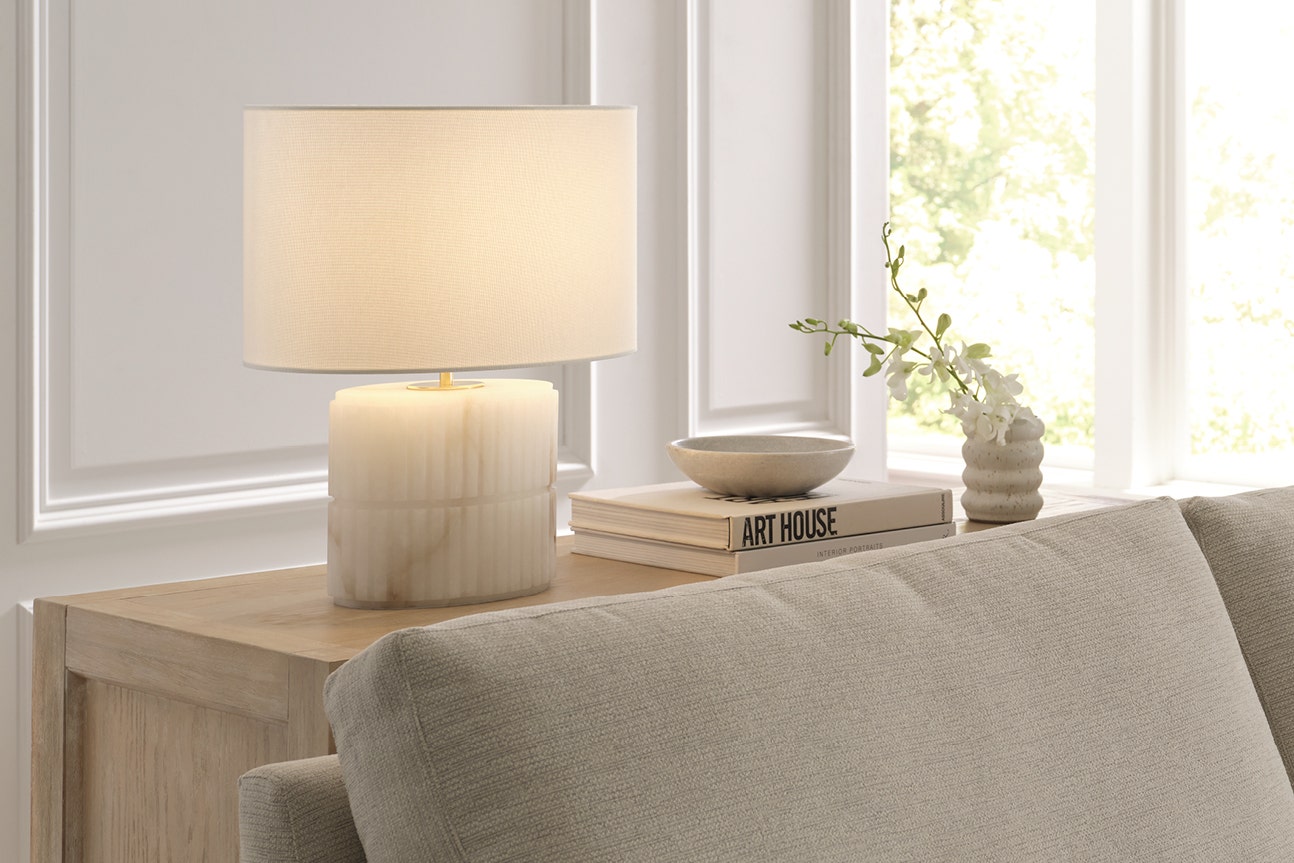
Where possible, support your lighting design with natural light sources. Diffused light from the overcast skies this time of year can be controlled with shades and curtains. In contrast, even the best full-spectrum or daylight bulbs will not compensate for poorly designed lighting.
Fixtures lacking in quality can worsen the effects of light deprivation, causing eye strain and headaches. Avoid discomfort and subsequent stress on the body with exclusive use of high-quality lighting pieces to recreate aspects of natural light season after season.
Ready for healthy lighting?
Visual Comfort & Co. offers a broad range of lighting fixtures of lasting style and quality. From statement chandeliers, subtle recessed lights, and stylish table lamps, discover your layers of well-designed light to turn your home into a haven for every season.